
The conversation around dermal fillers in Bethlehem, Nazareth & Stroudsburg PA often centers on a single treatment area: the lips. While lip enhancement remains popular, it represents only a fraction of what modern hyaluronic acid fillers can accomplish. From the temples to the jawline, from the tear troughs to the marionette lines, injectable fillers address a range of concerns that most people do not realize are treatable without surgery.
Understanding where fillers can be placed, and why certain areas respond particularly well to treatment, allows for more strategic decisions about facial rejuvenation.
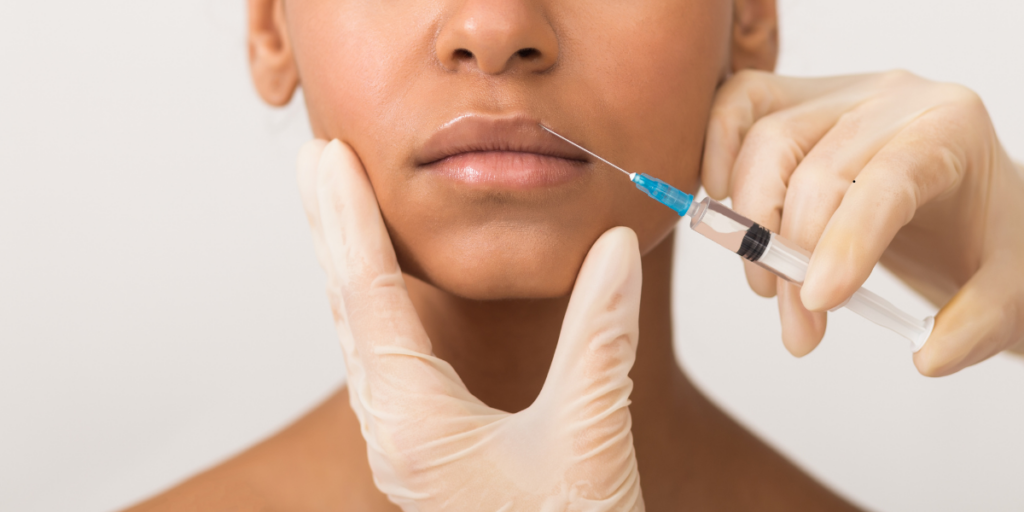
What Are Dermal Fillers?
Dermal fillers are injectable gels, most commonly made from hyaluronic acid, that restore lost volume beneath the skin. Hyaluronic acid occurs naturally in the body, where it binds water molecules and keeps tissue hydrated and plump.
As we age, our natural stores deplete. Injectable fillers replace what time has taken, smoothing wrinkles, lifting sagging tissue, and enhancing facial contours without surgery.
The results are immediate, the recovery is minimal, and the effects are reversible if needed. Most fillers last between six and eighteen months depending on the product used and the area treated.
What Areas Can Dermal Fillers Treat
Dermal fillers can address nearly every region of the face where volume loss, lines, or contour deficiencies occur.
Treatment Area | Common Concerns Addressed | Typical Results Duration |
Lips | Thin lips, undefined borders, asymmetry, vertical lip lines | 6 to 9 months |
Cheeks | Flat or sunken midface, descended fat pads, loss of youthful contour | 12 to 18 months |
Under Eyes / Tear Troughs | Dark circles, hollowing, tired appearance | 9 to 12 months |
Nasolabial Folds | Deep lines from nose to mouth corners | 9 to 12 months |
Marionette Lines | Downturned mouth corners, lines from mouth to chin | 9 to 12 months |
Chin | Weak or recessed chin, lack of projection, asymmetry | 12 to 18 months |
Jawline | Loss of definition, early jowling, soft mandibular border | 12 to 18 months |
Temples | Hollowing, gaunt appearance, visible skull contours | 12 to 18 months |
Forehead | Volume loss, visible veins, concave contour | 12 to 15 months |
Nose (non surgical rhinoplasty) | Bumps, asymmetry, drooping tip | 9 to 12 months |
Brows | Flat or descended brow, lack of arch definition | 9 to 12 months |
Earlobes | Thinning, elongation, wrinkled lobes from heavy earrings | 12 months |
Hands | Prominent veins and tendons, volume loss, crepey skin | 12 months |
The Anatomy of Volume Loss
Before examining specific treatment areas, it helps to understand what happens to the face as it ages. The changes are not random. They follow predictable patterns determined by anatomy.
Facial fat exists in discrete compartments rather than as a single continuous layer. These compartments sit at different depths and lose volume at different rates. Some deflate earlier in life while others remain stable into the sixth or seventh decade. This uneven loss creates shadows, hollows, and contours that did not exist in youth.
Bone resorption compounds the problem. The skull itself shrinks with age, particularly around the eye sockets, the midface, and the jaw. Skin that once stretched tautly over robust bone structure now drapes over a diminished frame.
Collagen and elastin production decline. The skin loses its ability to snap back. Gravity pulls downward on tissue that no longer has the structural support it once enjoyed.
Dermal fillers address these changes by replacing lost volume, lifting descended tissue, and restoring the scaffolding that keeps skin looking smooth and well supported. The key lies in understanding which areas need what type of correction.
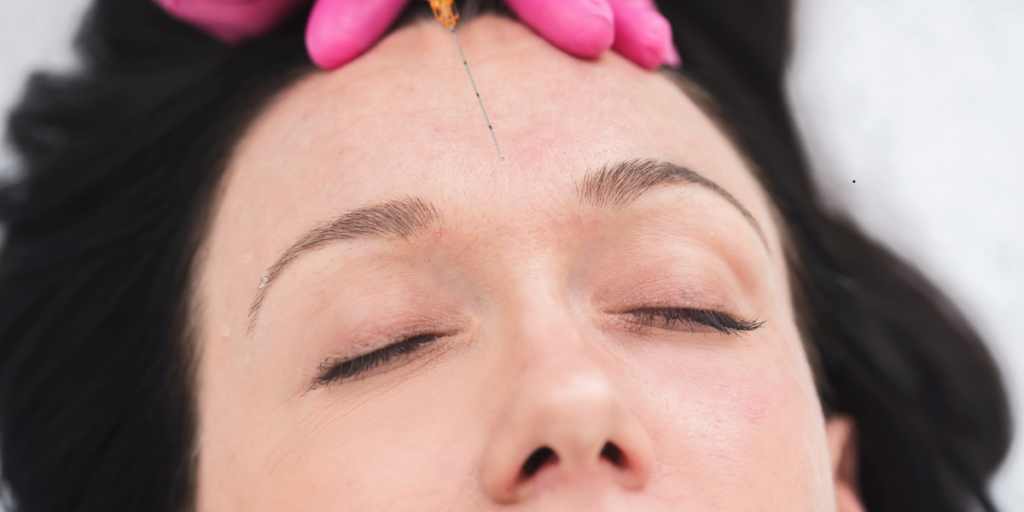
#1 Lips
Lip enhancement draws the most attention, but the goals extend beyond simple enlargement. Skilled injectors think in terms of proportion, projection, and definition.
The vermillion border, that crisp line separating lip tissue from surrounding skin, often blurs with age. Filler placed precisely along this border restores definition without adding bulk. The result looks like the lips someone had at twenty five rather than an exaggerated version of something new.
Volume distribution matters as much as total volume. The lower lip should be slightly fuller than the upper lip in most faces and the cupid’s bow should have gentle peaks that catch light. The corners should turn slightly upward rather than drooping.
Perioral lines, those vertical creases that form above the lip, respond well to superficial filler placement. Smokers and people who purse their lips frequently develop these lines earlier, but anyone can develop them with enough time.
Also Read: Does Lip Filler Hurt?
#2 Cheeks and Midface
The cheeks represent ground zero for midface aging. Volume loss here creates a cascade of changes that affect everything below.
When the malar fat pad deflates and descends, it creates a hollow beneath the cheekbone while simultaneously contributing to fullness in the lower face. The nasolabial fold deepens and jowls begin to form. What started as a cheek problem becomes a whole face problem.
Strategic filler placement in the cheeks can reverse some of this cascade. Restoring volume to the malar region lifts the midface, softens the nasolabial fold, and reduces the appearance of early jowling.
The type of filler matters here. Cheek augmentation typically requires a firmer product that can provide structural support. Products like Juvederm Voluma or Restylane Lyft contain more crosslinked hyaluronic acid, giving them the viscosity needed to lift tissue.
Patients seeking subtle enhancement often start with cheeks before addressing other areas. The midface improvement alone can take years off the face without touching the lips or other obvious treatment zones.
#3 Under Eyes and Tear Troughs
The tear trough, that hollow groove running from the inner corner of the eye toward the cheek, creates one of the most aging and tired looking features of the face. Dark circles that makeup cannot cover often result from shadowing in this area rather than true pigmentation.
Tear trough filler requires particular expertise. The skin here is thin, nearly transparent in some patients, and sits directly over bone and the orbicularis oculi muscle. Improper technique can result in visible product, a bluish discoloration called the Tyndall effect, or lumps that are difficult to correct.
When performed well, tear trough treatment produces remarkable improvement. The transition from lower eyelid to cheek becomes smooth rather than abrupt. Shadows disappear. Patients look rested even when they are not.
Not everyone is a good candidate for tear trough filler, patients with significant skin laxity, prominent fat pads, or certain anatomical features may achieve better results with surgical intervention or other treatments. A thorough consultation identifies who will benefit and who should explore alternatives.
#4 Nasolabial Folds
The nasolabial folds run from the sides of the nose to the corners of the mouth. Some people have prominent folds even in youth due to facial structure. For most, these lines deepen with age as cheek volume descends and skin loses elasticity.
Direct filling of the nasolabial fold softens its appearance but does not eliminate it entirely. Complete erasure would look unnatural. A face without nasolabial folds appears flat and expressionless.
An experienced injector considers whether the fold would benefit more from direct treatment or from lifting the cheek above it. Often, a combination approach works best. Restoring cheek volume addresses the root cause while targeted filler in the fold itself smooths what remains.
The folds respond well to treatment and results last reasonably long in this area because the tissue is relatively immobile. Unlike the lips, which move constantly, the nasolabial region remains stable during speech and facial expression.
#5 Marionette Lines
Marionette lines extend downward from the corners of the mouth toward the chin, creating a puppet-like appearance that many patients find distressing. These lines often make people look angry or sad even when their mood is neutral.
The lines result from volume loss in the lower face combined with gravitational descent of tissue. Fat pads that once supported the corners of the mouth migrate downward and inward, leaving hollows in their wake.
Filler placed in the marionette region supports the oral commissures, preventing the downturned appearance that suggests perpetual displeasure. The effect is subtle but meaningful. People stop asking if something is wrong.
Treatment often extends to the prejowl sulcus, the hollow that forms in front of emerging jowls. Filling this area creates a smoother transition from chin to jawline and reduces the appearance of jowling even though no tissue has actually been lifted.
#6 Chin
Chin augmentation with filler has gained popularity as patients recognize its impact on overall facial balance. A weak or recessed chin throws off the proportions of the entire face, making the nose appear larger and the neck less defined.
Filler can add projection, length, or width to the chin depending on what the individual face requires. Men often seek increased projection and a more squared shape. Women typically prefer a softer, more tapered result.
The chin sits far from the eyes and forehead, areas that draw the most visual attention. Changes here often go unnoticed consciously while creating an impression of improved harmony. People may not realize what changed, only that something looks better.
Chin filler also provides a foundation for jawline treatment. Building up the chin creates an anchor point that makes subsequent jawline contouring more effective.
#7 Jawline
Jawline definition represents one of the most requested treatments among patients in their thirties and forties. The sharp angle of the mandible softens with age as bone resorbs and soft tissue descends. Filler restores that definition without surgery.
Treatment involves placing product along the mandibular border from the chin to the angle of the jaw near the ear. The effect is a crisper shadow line that separates the face from the neck.
Men and women approach jawline treatment with different goals. Masculine faces benefit from a wider, more angular jaw. Feminine faces typically look best with a tapered line that narrows toward the chin.
The amount of filler required varies significantly based on individual anatomy. Some patients achieve their desired result with a single syringe. Others require three or four to create meaningful definition against a background of significant volume loss.
#8 Temples
Temple hollowing creates a gaunt, aged appearance that few people recognize until it is pointed out. As the temporal fat pad atrophies, the temples become concave rather than gently convex. The brow appears to droop even when it has not actually descended.
Filling the temples creates an immediate rejuvenating effect. The upper third of the face regains its youthful contour. The brow lifts optically. The transition from forehead to cheek becomes smooth.
This area often goes untreated because patients do not think to ask about it. They focus on the obvious concerns like lips and nasolabial folds while ignoring the frame around the picture. Yet temple restoration may produce more overall rejuvenation than any single treatment in the lower face.
The temples accept filler well and results tend to last longer than in more mobile areas. The tissue is relatively fixed against bone, minimizing product migration.
#9 Hands
While not a facial treatment area, the hands deserve mention because they often betray age that the face conceals. Volume loss in the hands makes tendons and veins prominent, creating a skeletal appearance that conflicts with a youthful face.
Filler injected beneath the skin of the dorsal hands restores the smooth, plump appearance of youth. Veins become less visible. Tendons no longer create ridges. The overall effect is a hand that matches the face.
Patients who have invested in facial rejuvenation sometimes overlook the hands until someone points out the disconnect. Treatment is quick, requires no downtime, and produces results that last approximately a year.
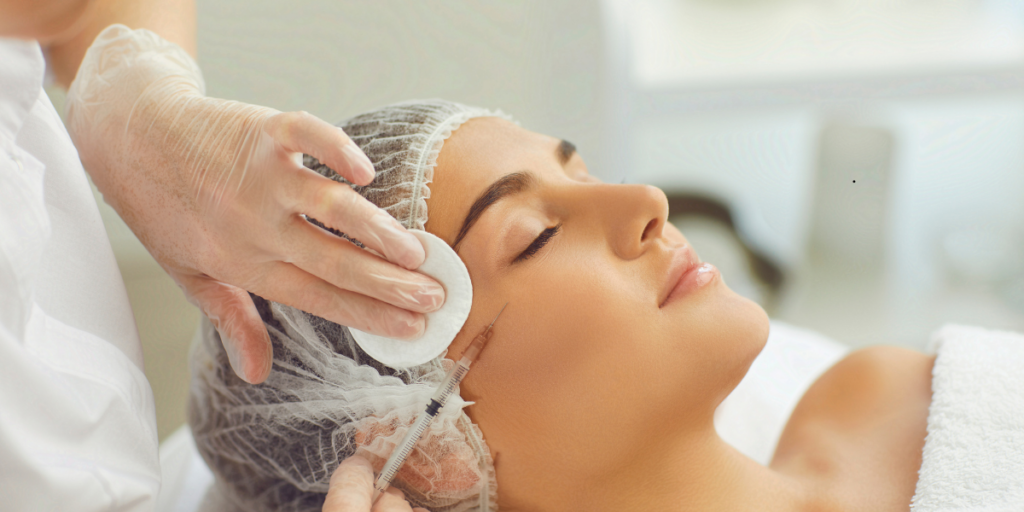
Combining Treatment Areas
The most natural looking results come from treating the face as a unified whole rather than focusing on isolated concerns. A patient who fills only the lips while ignoring cheek deflation and temple hollowing will look enhanced in one area and aged in others.
Experienced injectors develop treatment plans that address multiple areas strategically. They may prioritize cheeks and temples in one session, then refine the lips and nasolabial folds in another. This staged approach allows for assessment between sessions and prevents overcorrection.
The concept of facial balancing has become central to modern aesthetic medicine. Rather than chasing a single feature, providers consider how each treatment area relates to the others. The goal is harmony rather than focal enhancement.
What to Expect from Treatment
Initial consultations typically include a comprehensive facial assessment. Your provider examines volume distribution, skin quality, bone structure, and dynamic movement to understand how your face ages and what interventions would produce the most improvement.
Treatment itself takes fifteen to sixty minutes depending on the areas addressed. Most modern fillers contain lidocaine, providing anesthesia as the product is injected. Additional numbing can be provided for sensitive areas or anxious patients.
Results appear immediately but evolve over two weeks as swelling resolves and filler integrates with tissue. What you see on day one is not what you will see on day fourteen. Patience during this settling period prevents unnecessary anxiety.
You can review our lip filler timeline to understand the typical healing progression, which applies to other treatment areas as well
Frequently Asked Questions
How long do dermal fillers last in different treatment areas?
Longevity varies by location. Areas with significant movement like the lips typically see results lasting six to nine months. The cheeks and temples, which remain relatively static, may hold filler for twelve to eighteen months. Individual metabolism also plays a role.
Which treatment area should I start with if I have never had filler?
Most providers recommend starting with the midface. Cheek restoration produces meaningful improvement while teaching you how your body responds to filler. From there, you can make informed decisions about additional areas.
Can dermal fillers replace a facelift?
Fillers address volume loss while facelifts address skin laxity and tissue descent. They solve different problems. Many patients use fillers to delay surgical intervention or to complement surgical results. They are not interchangeable solutions.
How much filler will I need?
This depends entirely on your anatomy, your concerns, and your goals. A patient seeking subtle lip enhancement might use half a syringe. Someone wanting comprehensive facial rejuvenation might require six or more syringes across multiple areas and sessions.
Are there areas where filler should not be placed?
Certain areas carry higher risk due to vascular anatomy. The nose, glabella, and forehead require advanced technique and are not appropriate for every provider or every patient. A qualified injector knows their own limits and will refer appropriately.
What happens if I do not like my results?
Hyaluronic acid fillers can be dissolved with an enzyme called hyaluronidase. If you are unhappy with any aspect of your treatment, correction is possible. This safety net makes HA fillers a low risk option for patients trying injectable treatment for the first time.
Schedule Your Consultation
Understanding dermal filler treatment areas represents only the first step. The real value comes from a personalized assessment that considers your unique anatomy, your specific concerns, and your aesthetic goals.
At Wrights Med Spa, our providers bring both technical expertise and artistic sensibility to every consultation. We take time to understand what you want to achieve, explain what is realistically possible, and develop a treatment plan that makes sense for your face and your life.
We welcome patients at our three Pennsylvania locations: Nazareth, Stroudsburg, and Bethlehem. Each office provides the same standard of care from providers who continue their education to remain current with the latest techniques and products.
Contact us to schedule your consultation and discover what thoughtful, well executed dermal filler treatment can accomplish.
